Coil Packing Line Retrofit: Retain, Modify, Replace
Brownfield retrofits fail when teams replace the visible station but keep the hidden interface. This guide structures the decision — failure evidence, interface map, cutover path, and system-level validation.
How to Retrofit an Existing Coil Packing Line
How to Retrofit an Existing Coil Packing Line
Retrofitting an existing automatic coil packing line is usually not a question of adding one new machine. It is a question of deciding what to keep, what to replace, and how to change the system without losing control of product flow, package quality, or restart risk. Brownfield projects fail when the team jumps straight from "the old line has problems" to "replace the station" without defining the boundary of the retrofit.
This guide helps engineering, maintenance, and project teams structure that decision.
Start with the Actual Problem
An old line can underperform for very different reasons: unstable transfer, obsolete controls, manual data workarounds, poor package consistency, missing spare parts, or a product mix that no longer matches the original design. The first step is to describe the current failure in observable terms.
Ask:
- Which product families are affected?
- Which stations create the recurring stop or quality issue?
- What manual workaround is used today?
- Which failures block production and which only slow it down?
- What evidence exists from maintenance, quality, and operations?
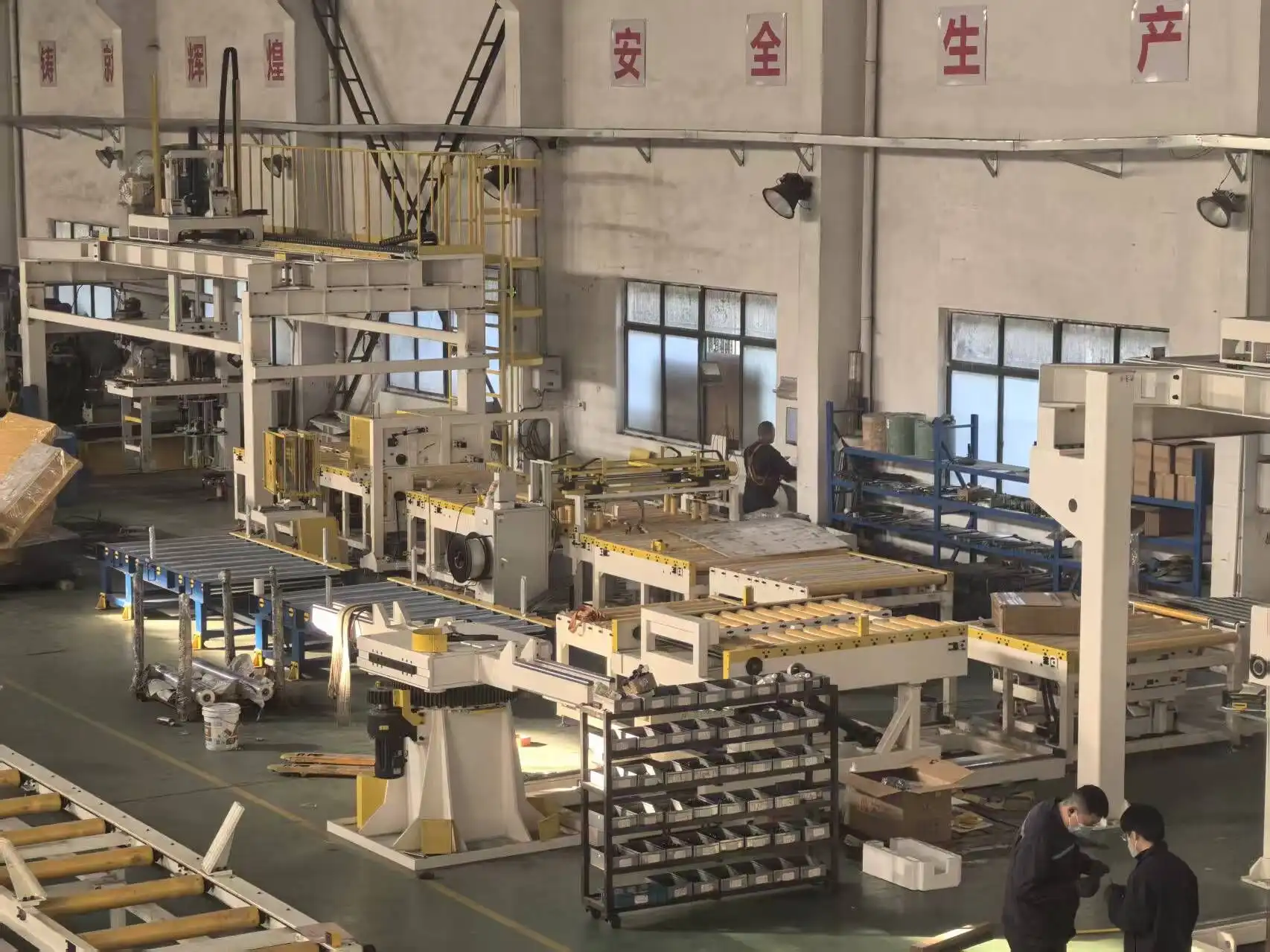
Retrofit scope should come from those observed constraints, not from catalog enthusiasm.
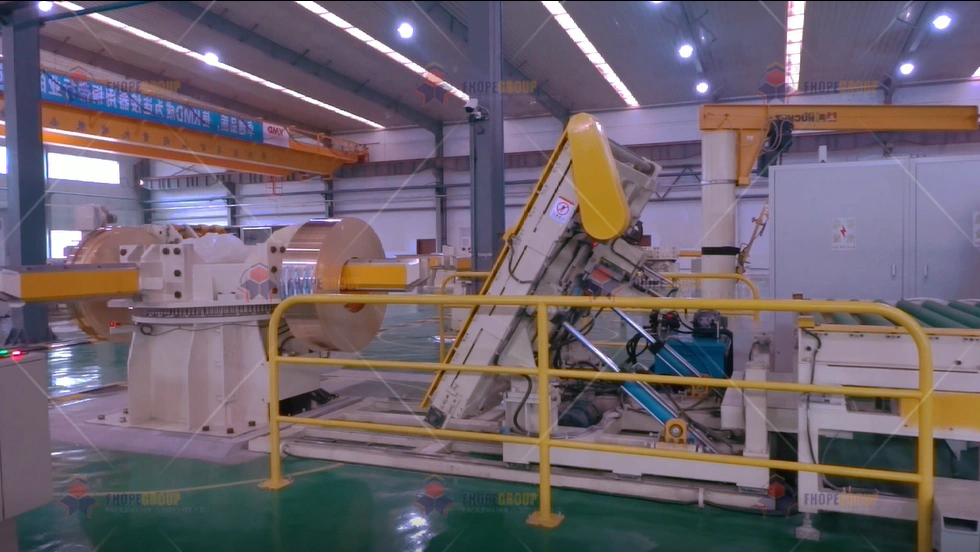
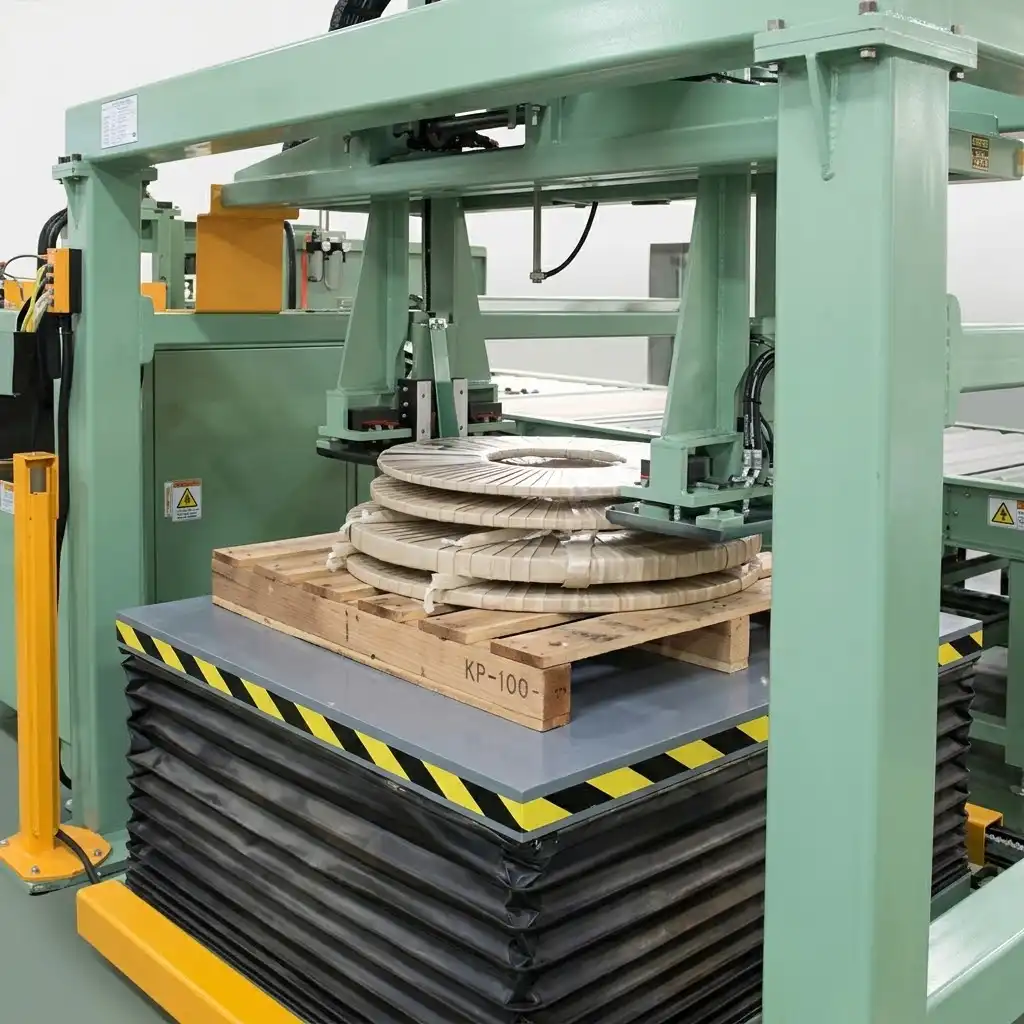
The image shows a stainless steel coil packing machine line. Retrofit scope should come from observed constraints on the actual line, including which station creates the recurring stop or quality issue.
Separate Retain, Modify, and Replace Decisions
Every major element of the existing line should be classified:
- Retain as-is because it still fits the required product families
- Modify because the core function is usable but the interface or control needs work
- Replace because the station no longer supports the target package or reliability boundary
This exercise prevents a common brownfield mistake: replacing a visible station while keeping the hidden interface that caused the instability.
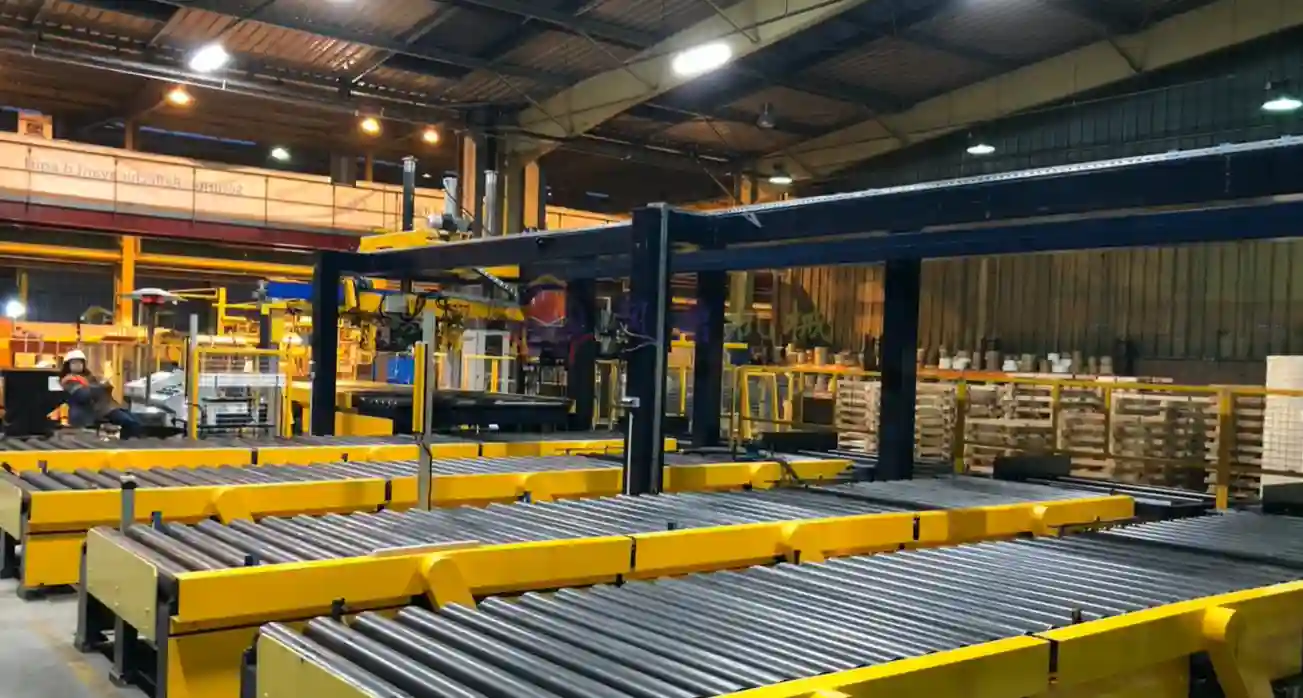
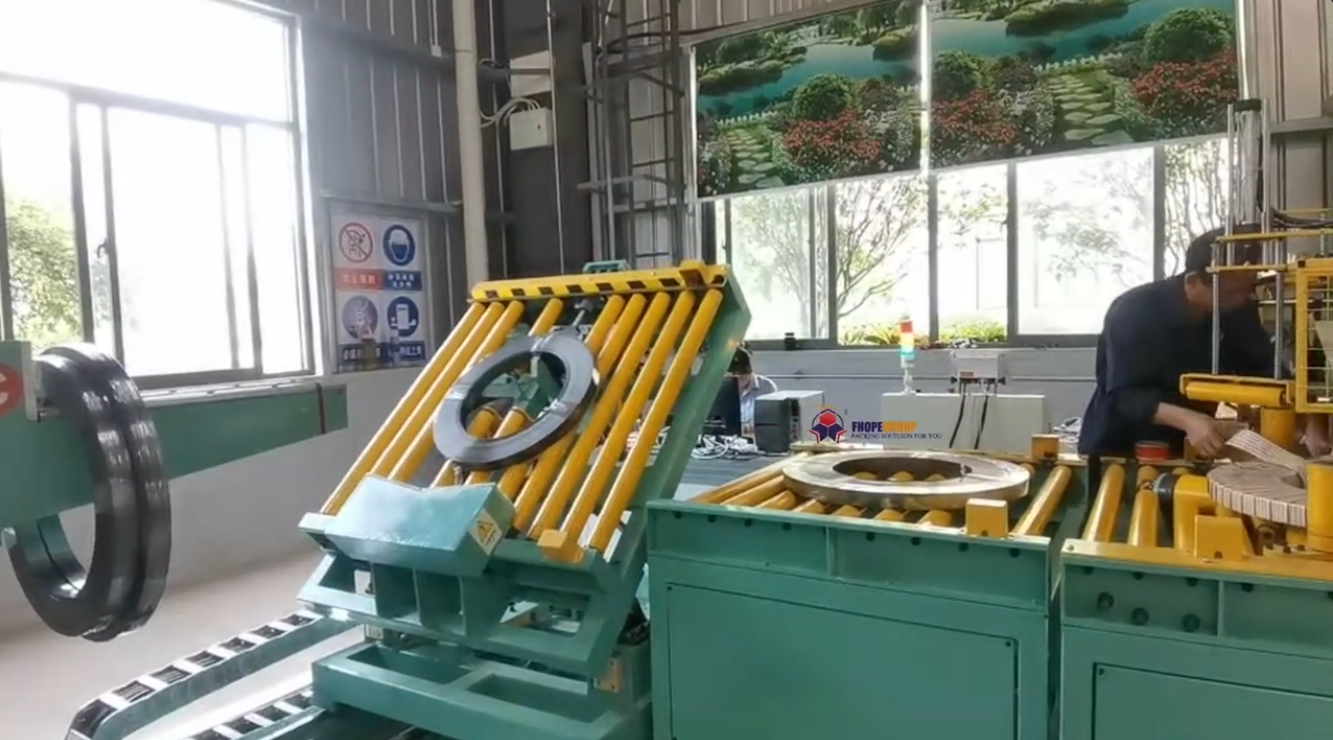
The image shows an automatic steel coil strapping and stacking conveyor line. Every major element should be classified retain, modify, or replace, so the hidden interface that caused the instability is not left behind.
Recheck the Current Product Population
Many retrofit projects are triggered because the product mix changed. The line may now process different widths, finishes, package structures, or routing rules than it was originally designed for. Before deciding the hardware scope, confirm what the line must handle today and which legacy families can be routed elsewhere if necessary.
If the product population is not refreshed, the retrofit may faithfully preserve the wrong boundary.
Define Interface Risk Before Equipment Scope
Brownfield work is usually constrained by what already surrounds the line: conveyors, transfer carts, cranes, label systems, electrical distribution, compressed air, floor loading, and operator access. That means the retrofit boundary should be written as a set of interfaces:
- Mechanical handoff points
- Control and signal ownership
- Utilities and connection points
- Safety zones and restart authority
- Manual intervention areas
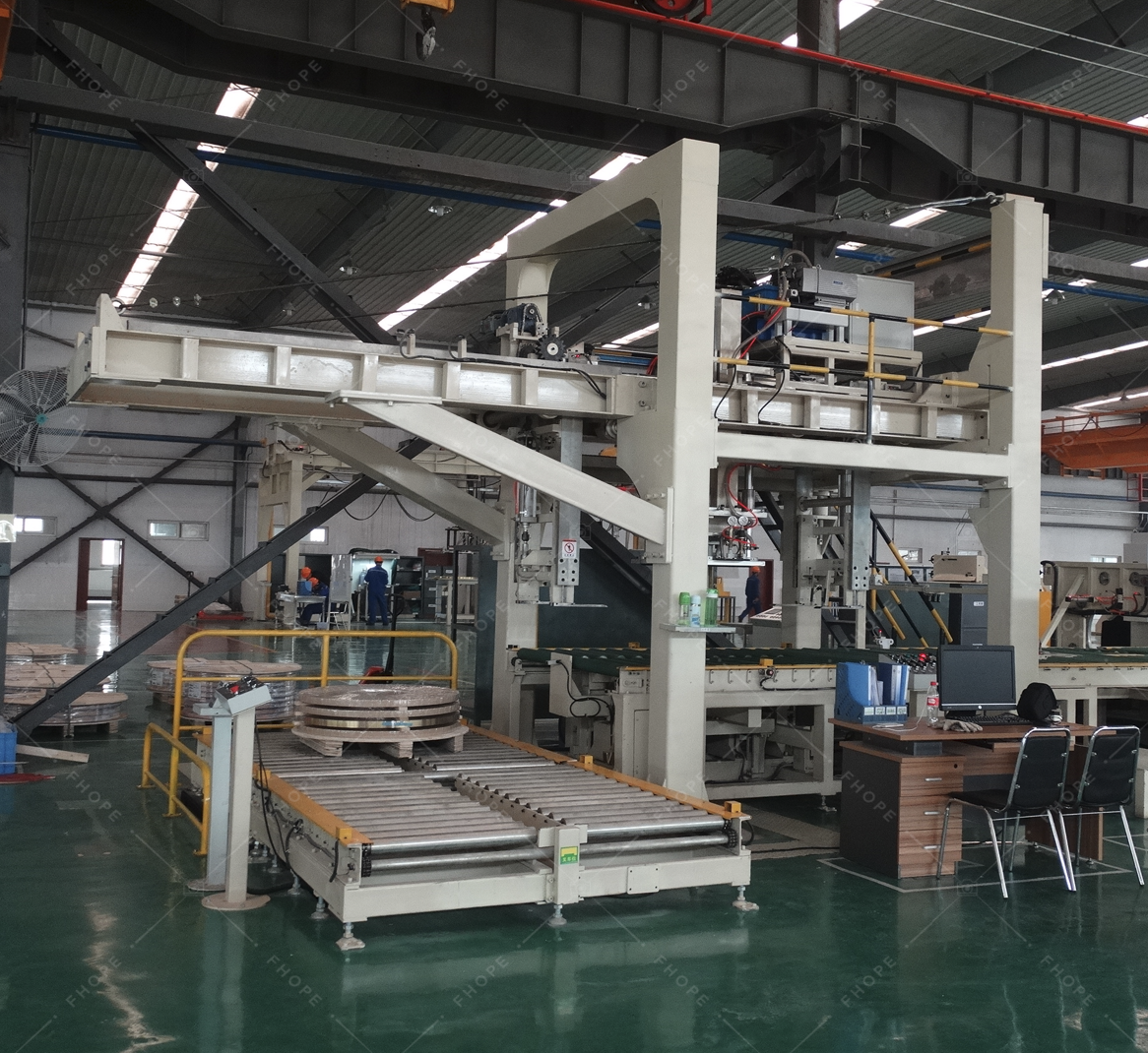
The interface map often decides the correct scope more than the replacement station itself.
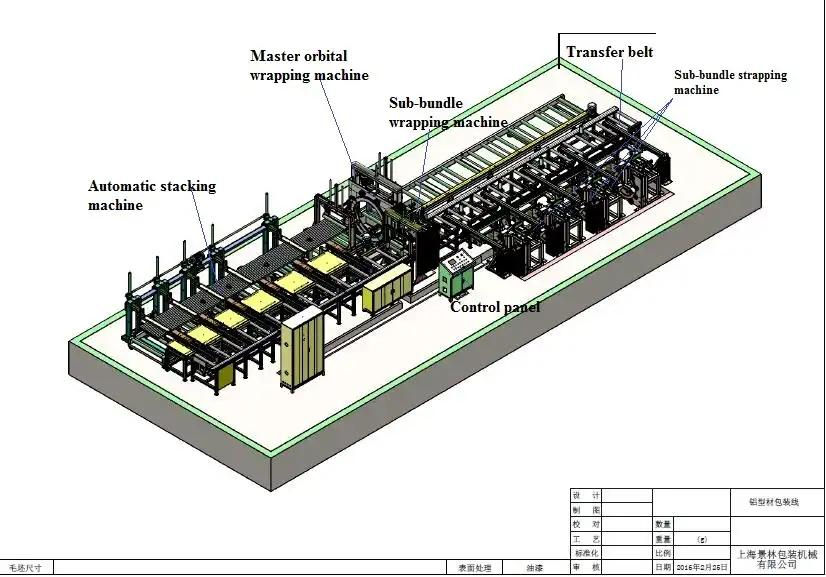
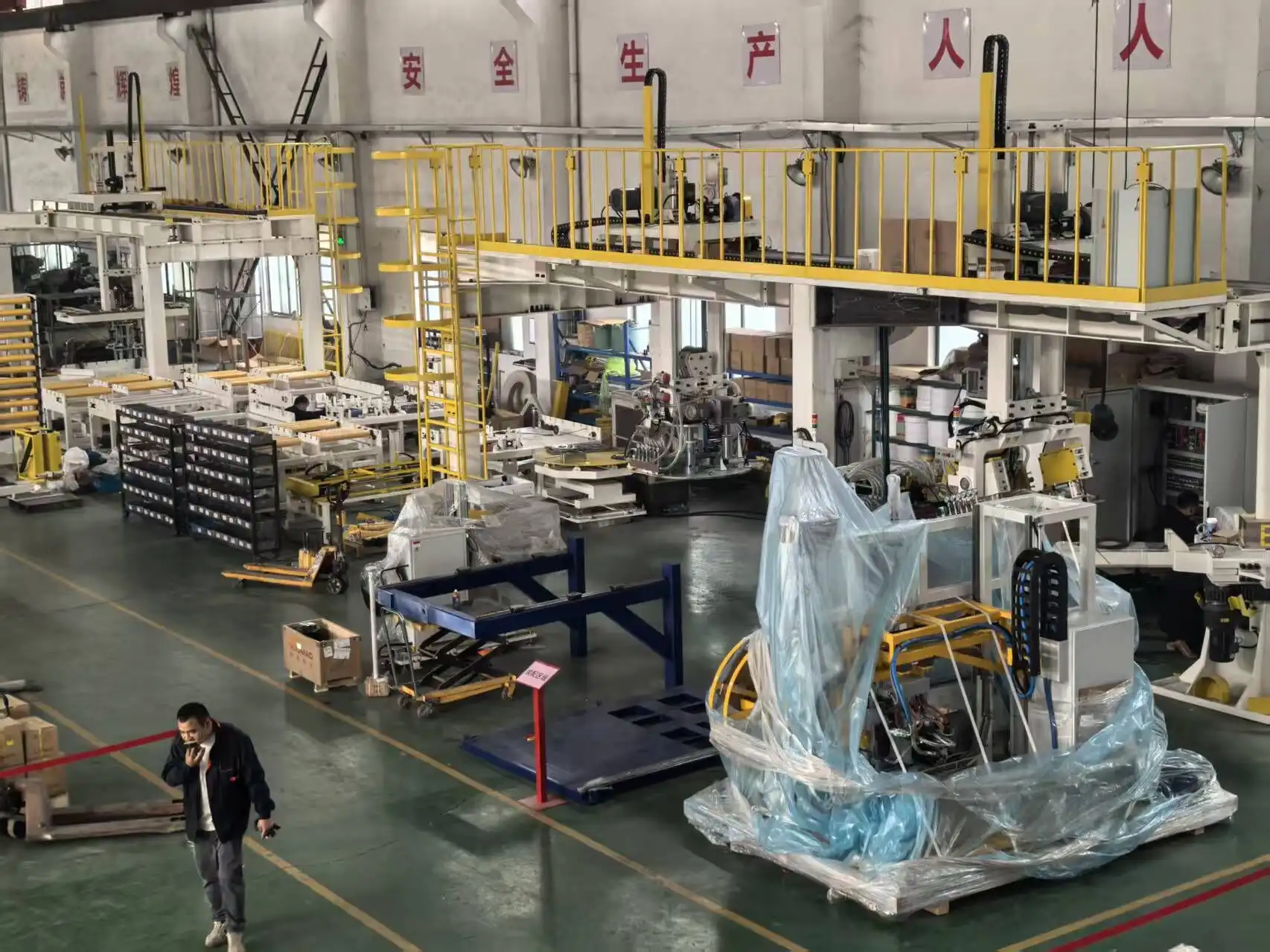
The image shows an automated coil packing line inside a plant. Brownfield work is constrained by the conveyors, transfer, controls, utilities, and operator access already surrounding the line, so the interface map often decides the scope.
Check Obsolescence and Support Exposure
Some retrofit decisions are driven less by mechanical wear and more by supportability. Controls may be obsolete, spare parts may be difficult to obtain, and one unstable station may depend on components the plant can no longer maintain confidently. Those issues belong in the same decision matrix as product and package fit.
Retaining a station that no one can support is usually only a short delay to a larger replacement.
Plan the Cutover Path
A retrofit is also a changeover project. The team should define whether the line will be upgraded in one shutdown, in staged windows, or with temporary bypass routes. For each option, record what production continues, what manual fallback is allowed, and what evidence proves the changed scope is ready for release.
This is where retrofit work separates from greenfield design. The old line still exists and production pressure remains.
Watch an automatic slit coil packing line:

Preserve What Is Still Valuable
Retrofitting does not mean discarding everything old. Existing support structures, foundations, guarding, operator knowledge, or proven stations may still be worth keeping if they fit the target boundary. The discipline is to keep them deliberately, not by default.
A retained station should still pass the same interface and acceptance review as a new one.
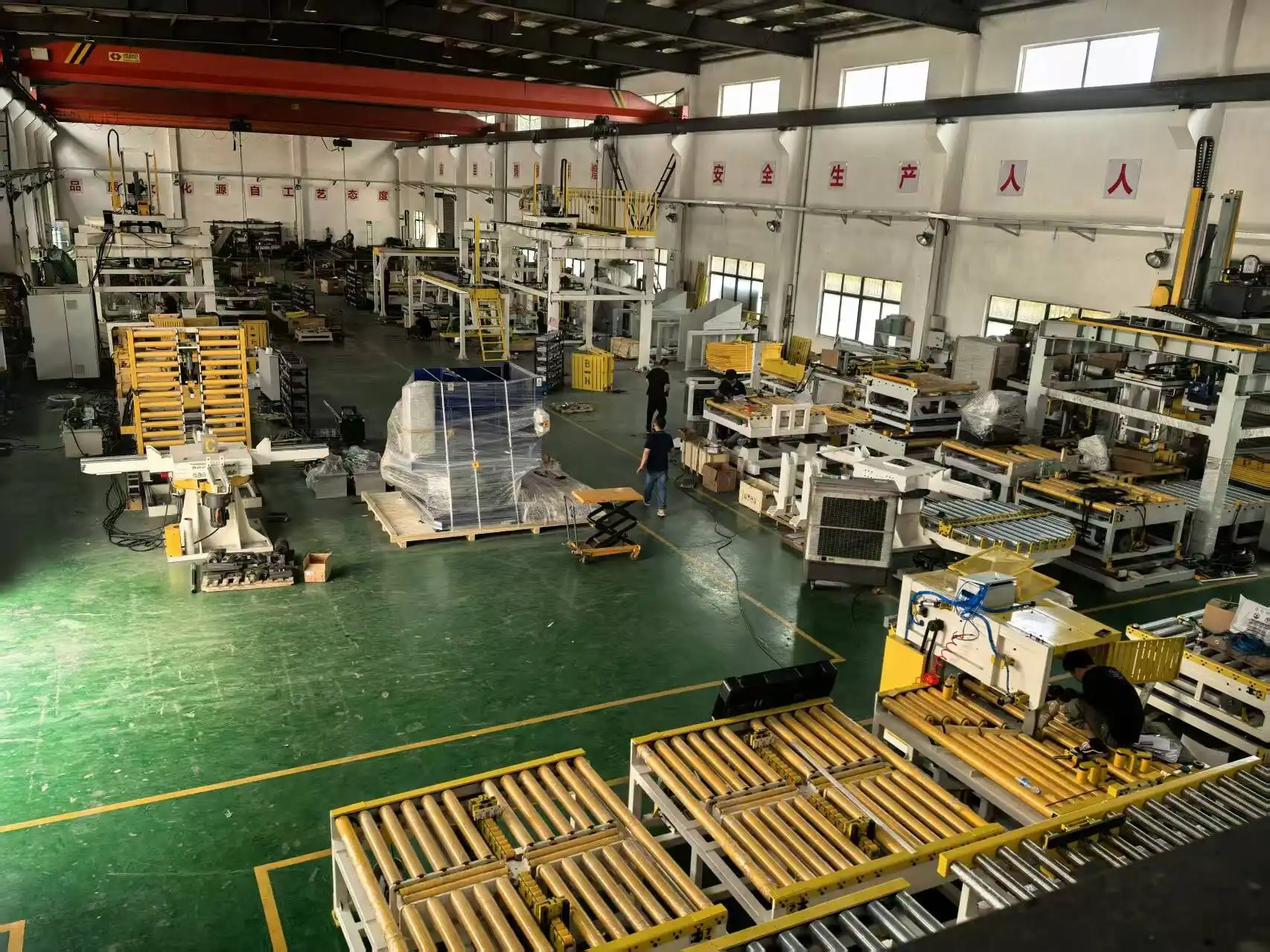
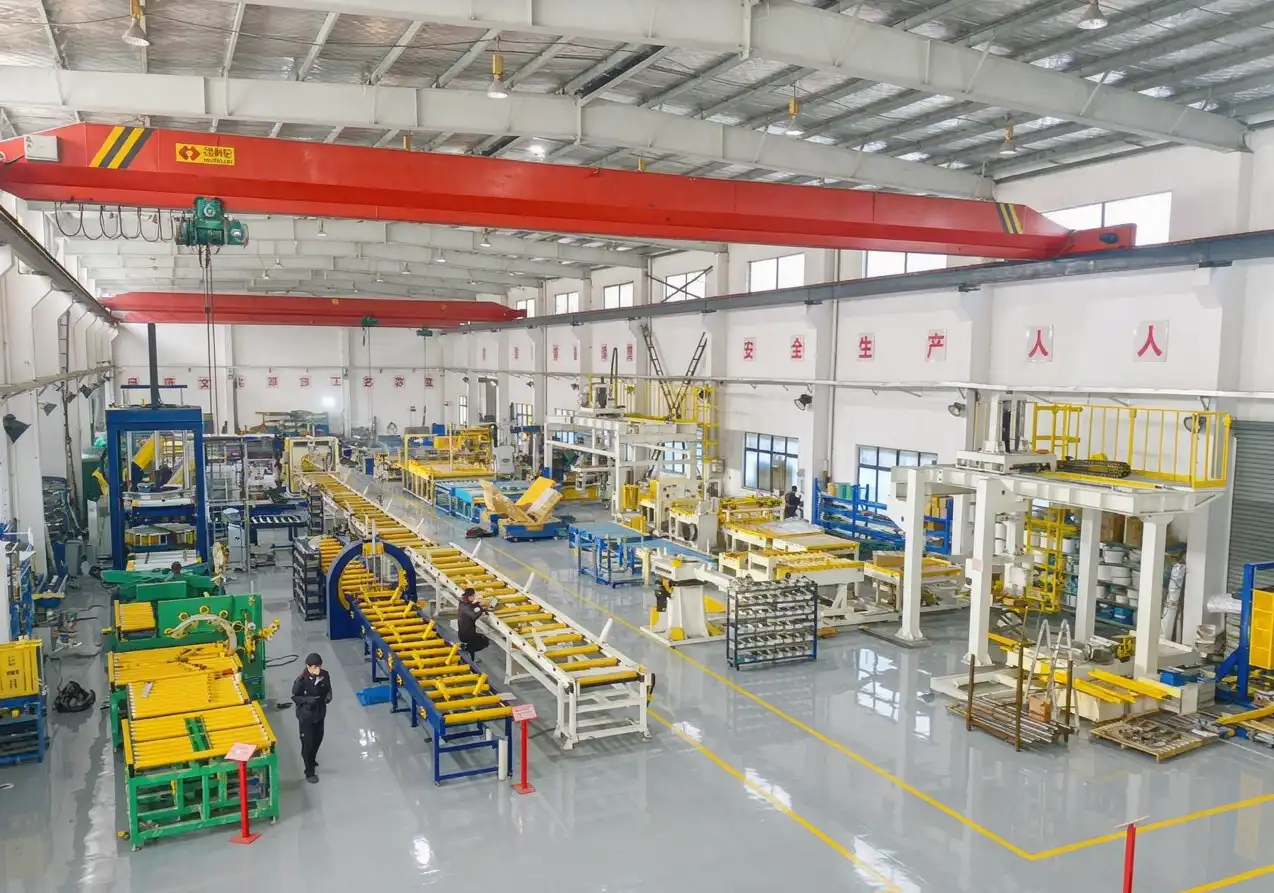
The image shows a coil packing line manufacturing factory. Existing support structures, foundations, guarding, and proven stations can be kept deliberately when they fit the target boundary, but they must still pass the same interface review.
Write Abnormal and Restart Logic Early
Cutover and post-retrofit startup create abnormal conditions by definition. The project should define how to handle blocked coils, incomplete data, manual hold points, control handoff issues, and restart after intervention. If that logic is postponed until commissioning, the brownfield risk will surface at the worst possible moment.
Validate the Changed System, Not Only the New Station
Acceptance should prove the product families, handoffs, data flow, and recovery routes affected by the retrofit. A new wrapper or transfer device is not enough evidence if the old upstream or downstream interface still produces the same failure.
Test the changed boundary as one system and keep the pre-retrofit problem statement visible during validation.
A Practical Next Step
Create a three-column retrofit matrix for every station and interface: retain, modify, or replace. Add the current failure evidence, the cutover method, and the acceptance check for each changed boundary. That matrix will keep the retrofit of the automatic coil packing line focused on real improvement instead of partial replacement.
Visual Details
Click to enlarge
Click to enlarge
Click to enlarge
Click to enlarge
Watch How It Works
Discover how our automated packaging solutions optimize your production line efficiency. This video demonstrates the seamless operation designed for maximum protection.
Trusted by Steel Mills & Industry Leaders
Global manufacturers rely on FHOPE heavy duty packaging equipment


Ready to optimize your packaging line?
Get a custom quote with ROI analysis. Our engineers respond within 24 hours.
- Free layout design
- Global installation support
- 2-year warranty included
Your information is secure and will never be shared.
Related Machines
Steel Coil Packaging line
View Details →
Vertical coil packaging line
View Details →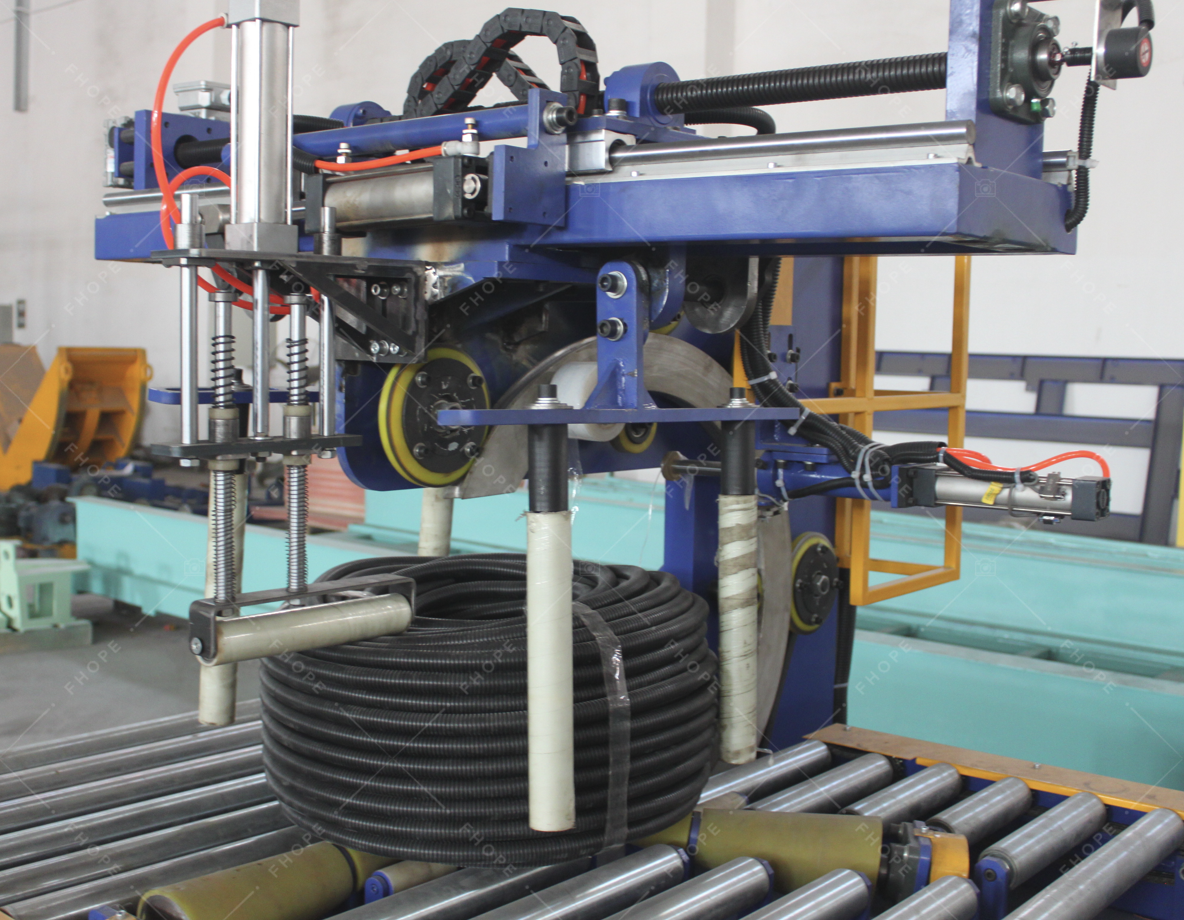
Hose Coil Packaging line
View Details →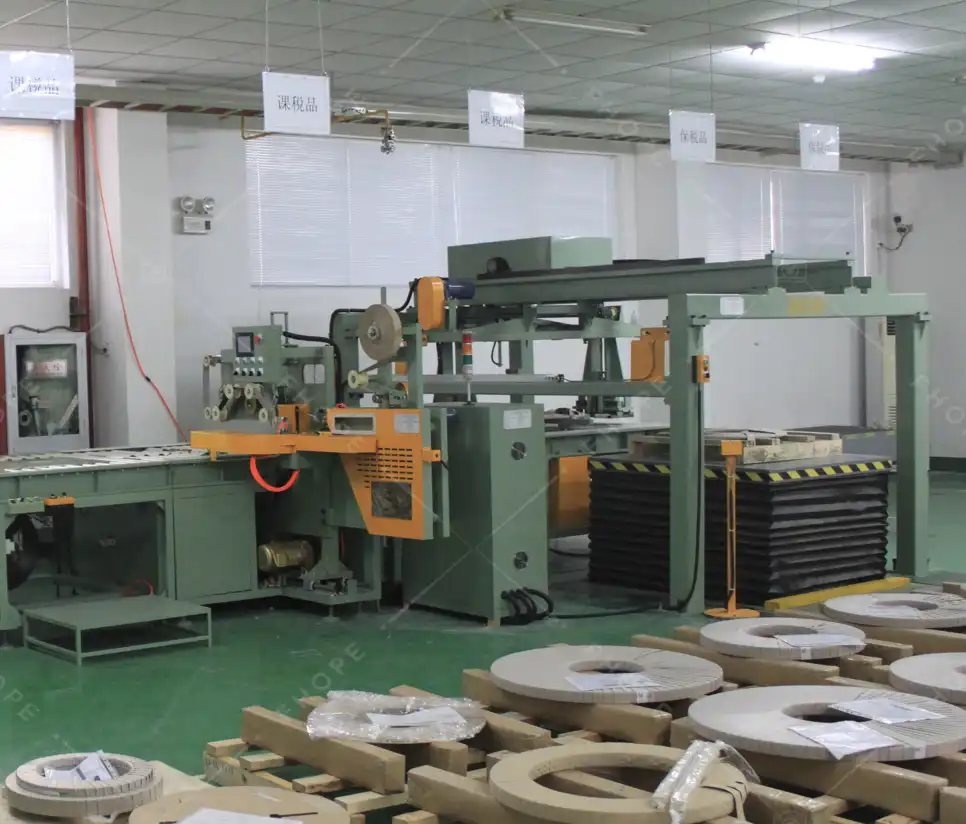
Copper Coil Packaging line
View Details →
Wire Coil Packaging line
View Details →
Panel Packaging line
View Details →
Pipe Bagging Machine
View Details →
Aluminum profile packing line
View Details →
FHOPE Automatic pipe tube bundling&strapping line
View Details →
Automatic pipe tube bundling & strapping line
View Details →
Automatic steel tube strapping machine
View Details →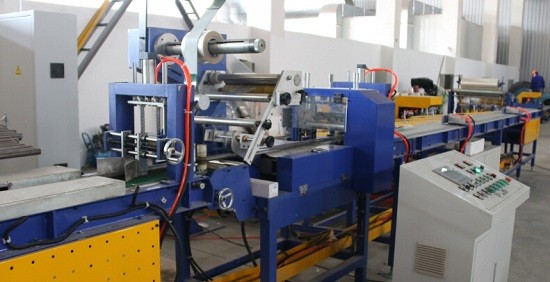
FHOPE Automatic steel tube packing machine
View Details →
Automatic plastic Pipe strapping packing line
View Details →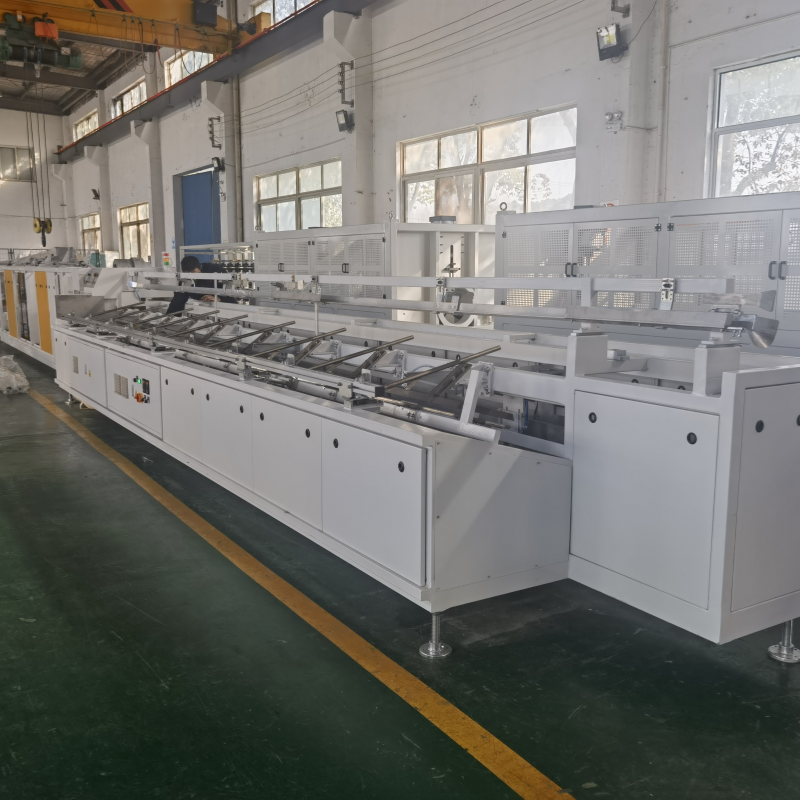
Automatic PPR/PVC Pipe bagging line
View Details →
Platsic pipe bag packing machine
View Details →
Tyre Packing Machine FPT-200
View Details →
Tyre Packing Machine FPT-300
View Details →
Tyre Packing Machine FPT-400
View Details →
Cable Coil Packing Machine-FPCA100
View Details →