Coil Packing Line Project Timeline: Stage by Stage
Dates should be outputs of decision gates, not assumptions. This stage-by-stage timeline for a coil packing line project defines what must be true before each next stage begins.
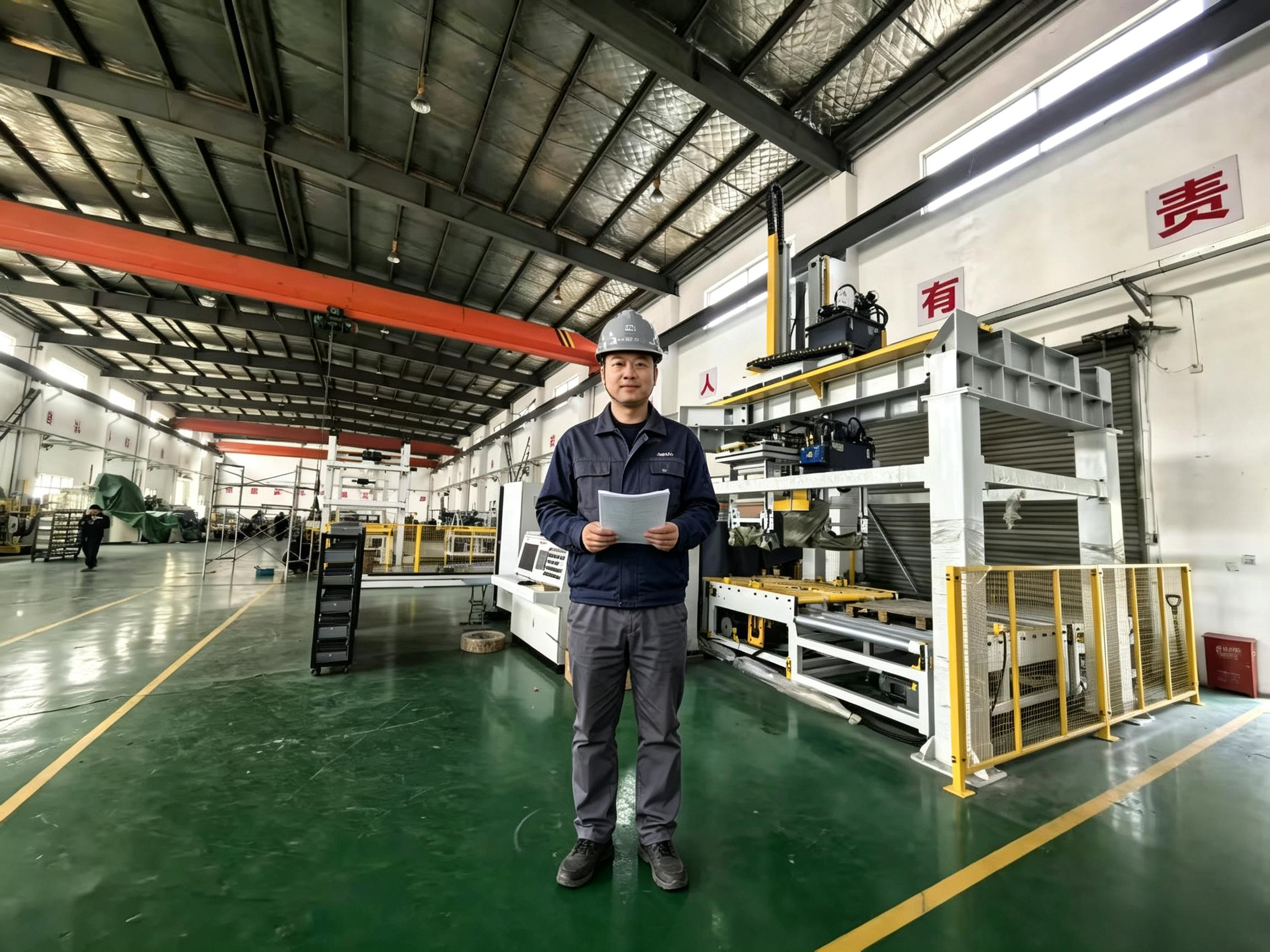
Coil Packing Line Project Timeline: From Design to SAT
Coil Packing Line Project Timeline: From Design to SAT
Project timelines become misleading when they are described as one continuous calendar promise. A better way to manage an automatic coil packing line project is to define the stages, the decisions that release the next stage, and the evidence each stage must hand over. That approach protects both schedule realism and project quality.
This guide outlines a stage-gated timeline from design to site acceptance testing.
Stage 1: Design Definition
The project starts with a usable definition of scope: product families, package objective, line boundary, utilities, adjacent interfaces, safety assumptions, and acceptance logic. The key output is not a sales summary. It is a reviewable design basis.
Decision gate: the buyer and supplier agree on what products, package outcomes, and interfaces are actually in scope.
Without this gate, every later date is built on unstable assumptions.
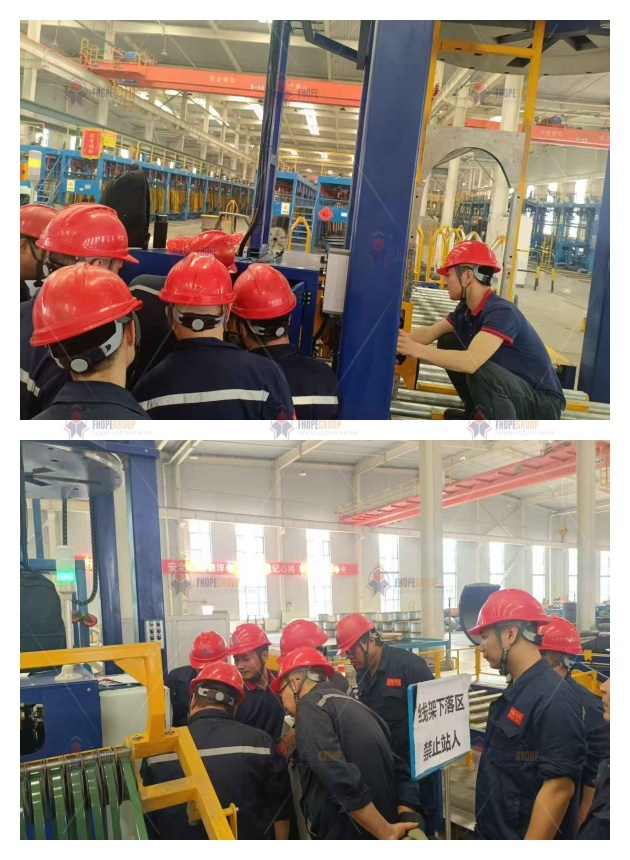
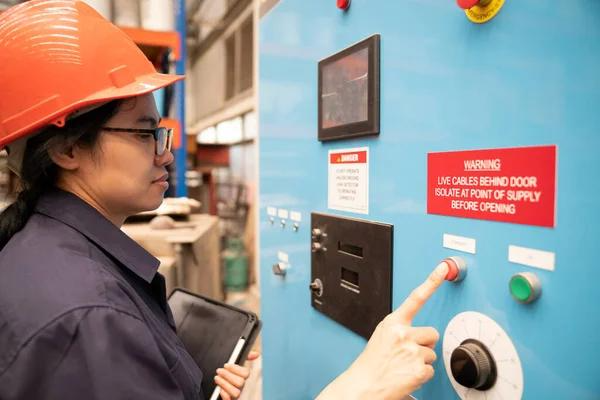
The image shows an engineering team reviewing a coil packaging line solution. The first decision gate is agreement on products, package outcomes, and interfaces, not on a calendar date.
Stage 2: Engineering and Interface Freeze
After the design basis is accepted, the project moves into the engineering phase. Here the team develops layout, station sequence, control responsibilities, data interfaces, utility connection boundaries, and installation assumptions. Brownfield projects also need cutover planning in this phase.
Decision gate: the major mechanical, electrical, control, and site interfaces are defined well enough that procurement and fabrication can proceed without hidden scope assumptions.
This gate should also identify open items that must remain visible through the project rather than disappearing into meeting notes.
Stage 3: Build and Internal Preparation
The supplier prepares equipment, control logic, documentation, and the materials needed for later testing and training. The buyer, in parallel, prepares site utilities, floor area, access route, staffing, and the project-side documents needed for acceptance and operation.
Decision gate: both sides confirm that build progress and site readiness are aligned closely enough to avoid equipment arriving into an unprepared plant.
This is where timeline coordination matters more than optimistic date language.
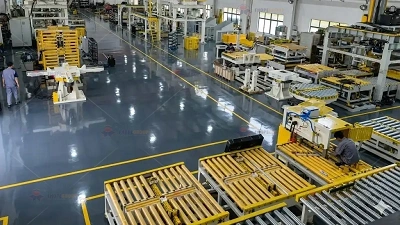
The image shows a heavy-duty steel coil wrapping machine packing line. Build and internal preparation should produce equipment, control logic, documentation, and test materials that are ready for the next gates.
Stage 4: Factory Verification
Before shipment, the project should review what can be proven at the supplier's facility. Depending on scope, that may include mechanical sequence, representative product handling, control logic, data signals, manual intervention paths, and part of the acceptance matrix.
Decision gate: the project records what was demonstrated, what deviations remain open, and what must still be confirmed on site.
Factory verification is not valuable if it becomes a generic visit with no traceable outputs.
Stage 4.5: Shipment Release and Open-Item Control
Between factory verification and site installation, the project should formally state what is ready to ship, which deviations remain open, which documents travel with the equipment, and what site-side actions are still required. This small stage is often skipped in discussion, yet it is where timeline confusion starts.
Decision gate: shipment is released with a clear list of open items and no false assumption that every unresolved issue disappeared because the equipment left the supplier.
Stage 5: Site Preparation and Installation
Once the equipment is ready or en route, the site must already be prepared for delivery, positioning, utility connection, guarding, and access. Installation then moves the project from hardware presence to physical system readiness.
Decision gate: the line is installed to the defined footprint, utilities are connected at the approved boundary, and cold checks can begin safely.
This gate should be closed before teams rush into hot commissioning.

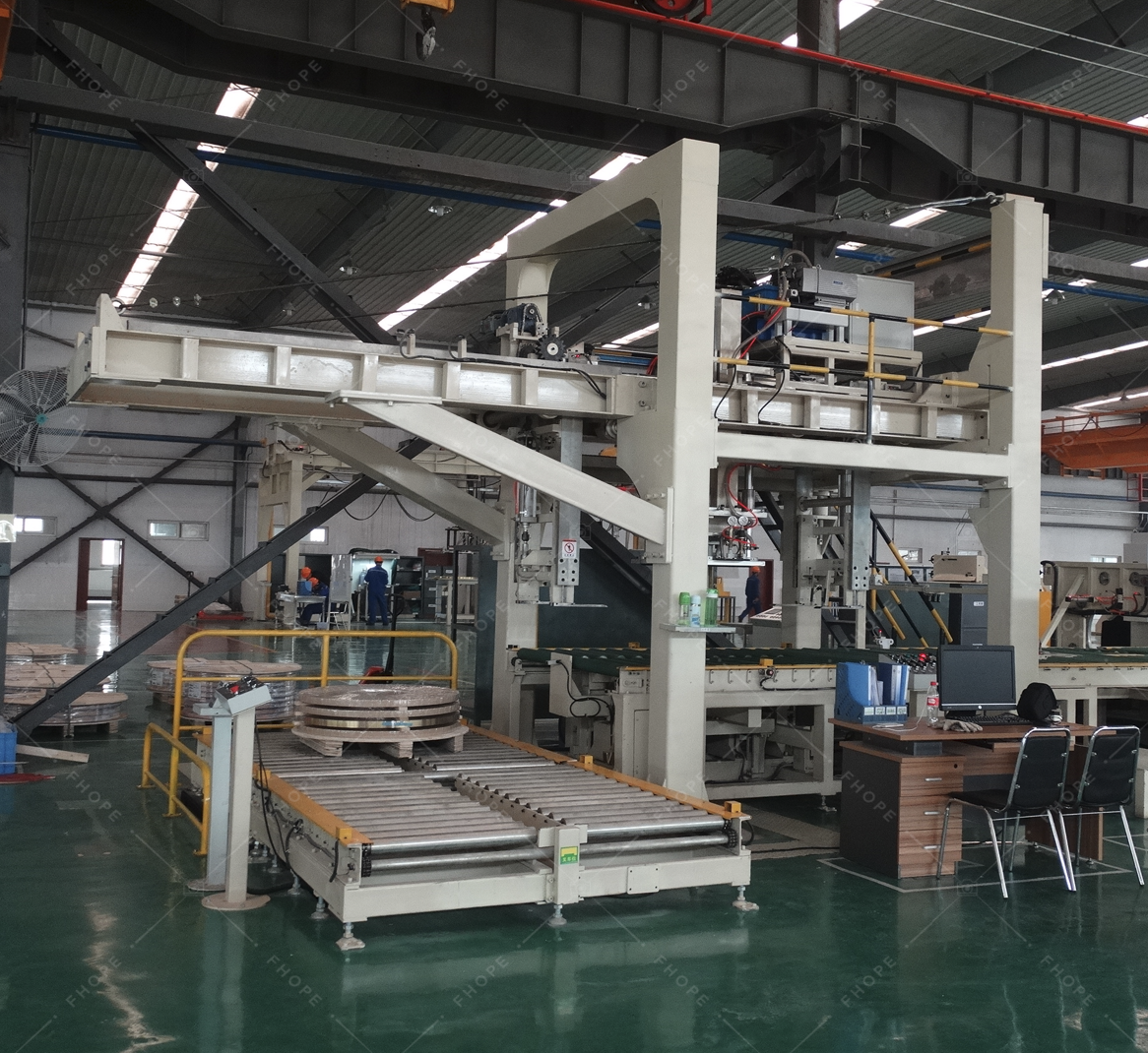
The image shows a steel coil packing line installed in a plant. Site preparation and installation are complete only when the line is on its defined footprint and utilities are connected at the approved boundary.
Stage 6: Commissioning and Controlled Startup
Commissioning proves that the installed line operates in the actual site with the intended utilities, interfaces, and operator environment. It should include normal sequences, basic exception handling, material replenishment, and restart conditions before the project reaches formal site acceptance.
Decision gate: the line is stable enough to enter SAT with agreed test inputs, named sign-off roles, and open issues clearly tracked.
Commissioning is preparation for acceptance, not a substitute for it.
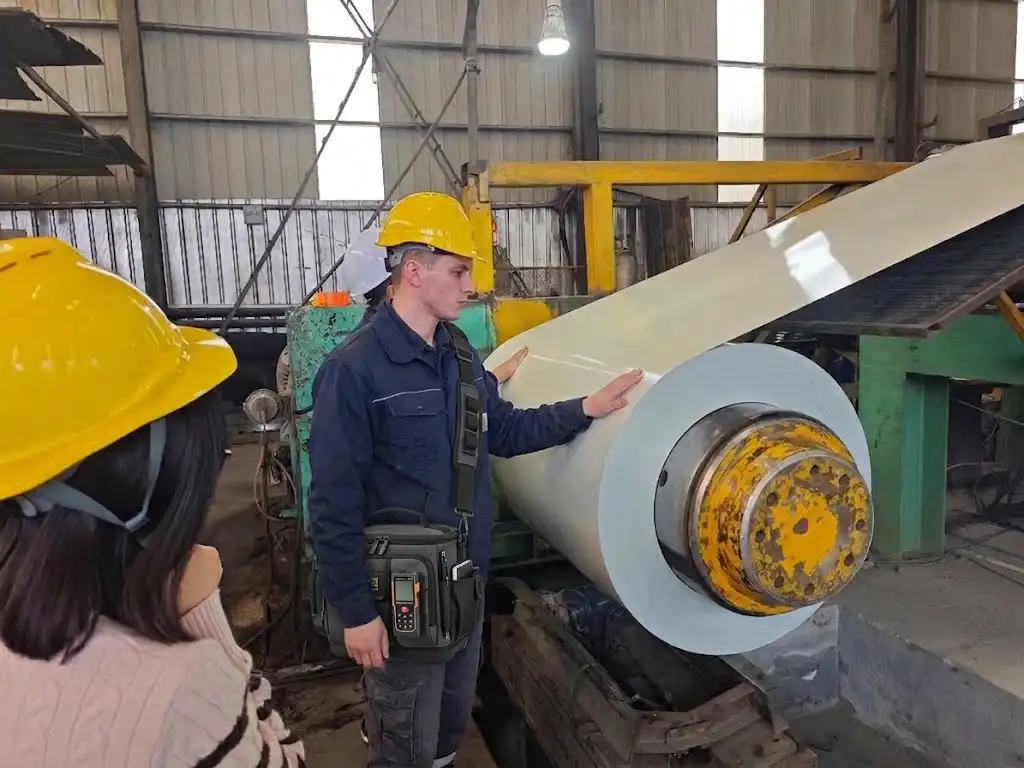
The image shows people using a changeover checklist at a coil packing line. Commissioning should confirm normal sequences, exception handling, replenishment, and restart conditions with the same checklist discipline.
Stage 7: SAT and Handover
SAT should demonstrate the agreed product families, package results, data handoffs, and recovery paths in the installed environment. The project then moves into handover: operating documents, maintenance information, punch-list management, and release of operational ownership.
Decision gate: the project has enough evidence to accept the defined scope, document residual items, and transfer responsibility without hiding unresolved boundary issues.
Watch an automatic copper coil packaging line with two-stage wrapping and stacking:

Use Dates as Outputs, Not Assumptions
Every project will attach calendar dates to these stages, but the dates should be consequences of defined gates and responsibilities. A timeline becomes useful when it says what must be true before the next stage starts.
That is also why content about timelines should avoid promising fixed project durations across all coil packing lines. Product mix, brownfield constraints, site readiness, and acceptance depth can all change the sequence materially.
A Practical Next Step
Turn the timeline into a one-page stage-gate table with four columns: stage, required outputs, release decision, and owner. Then add the current project dates for the automatic coil packing line only after the gates are clear enough to manage.
Visual Details

Click to enlarge

Click to enlarge

Click to enlarge
Click to enlarge
Watch How It Works
Discover how our automated packaging solutions optimize your production line efficiency. This video demonstrates the seamless operation designed for maximum protection.
Trusted by Steel Mills & Industry Leaders
Global manufacturers rely on FHOPE heavy duty packaging equipment


Ready to optimize your packaging line?
Get a custom quote with ROI analysis. Our engineers respond within 24 hours.
- Free layout design
- Global installation support
- 2-year warranty included
Your information is secure and will never be shared.
Related Machines
Steel Coil Packaging line
View Details →
Vertical coil packaging line
View Details →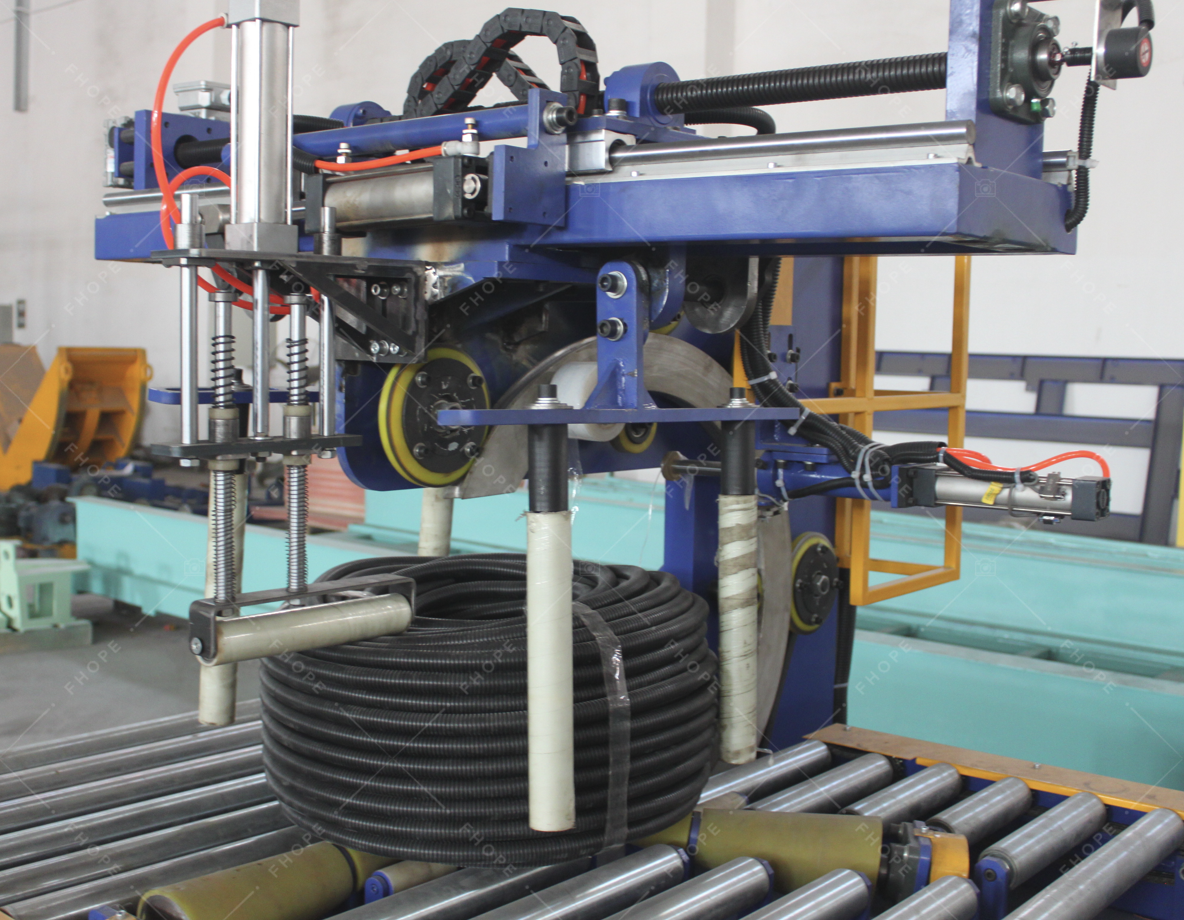
Hose Coil Packaging line
View Details →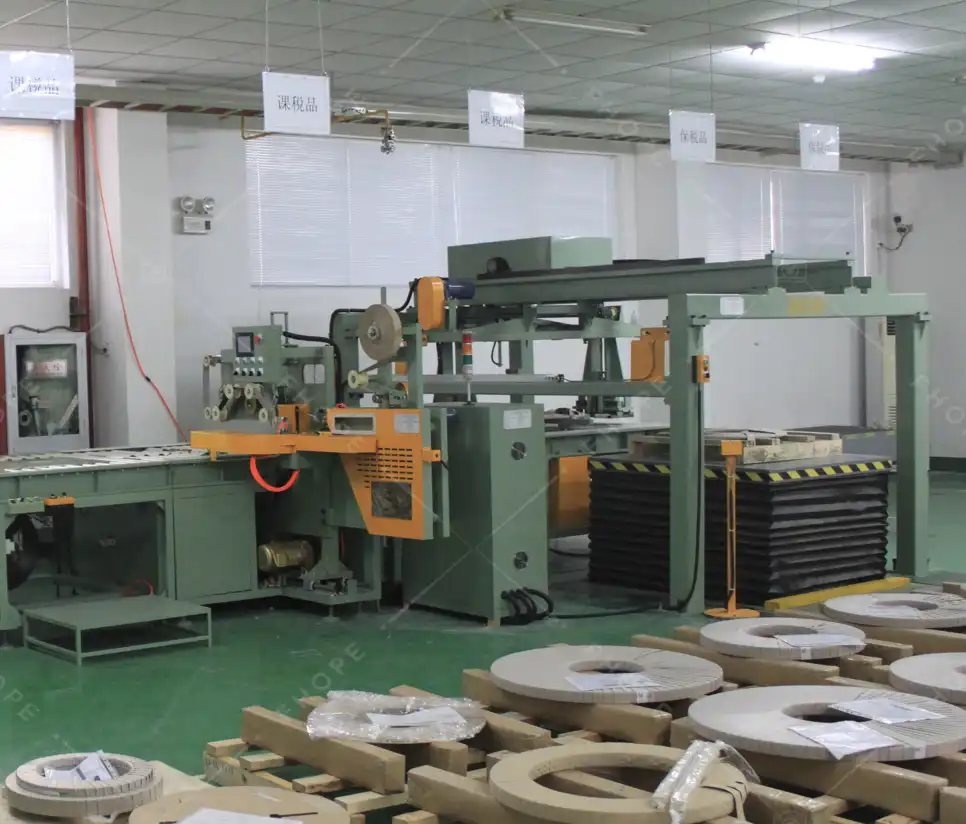
Copper Coil Packaging line
View Details →
Wire Coil Packaging line
View Details →
Panel Packaging line
View Details →
Pipe Bagging Machine
View Details →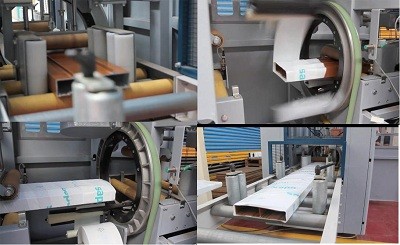
Aluminum profile packing line
View Details →
FHOPE Automatic pipe tube bundling&strapping line
View Details →
Automatic pipe tube bundling & strapping line
View Details →
Automatic steel tube strapping machine
View Details →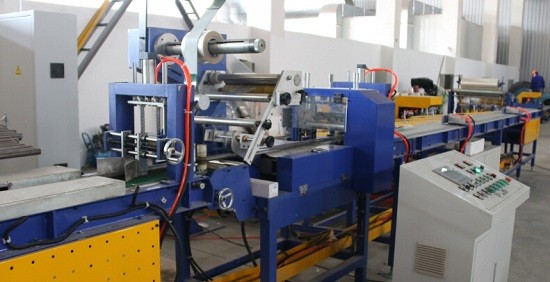
FHOPE Automatic steel tube packing machine
View Details →
Automatic plastic Pipe strapping packing line
View Details →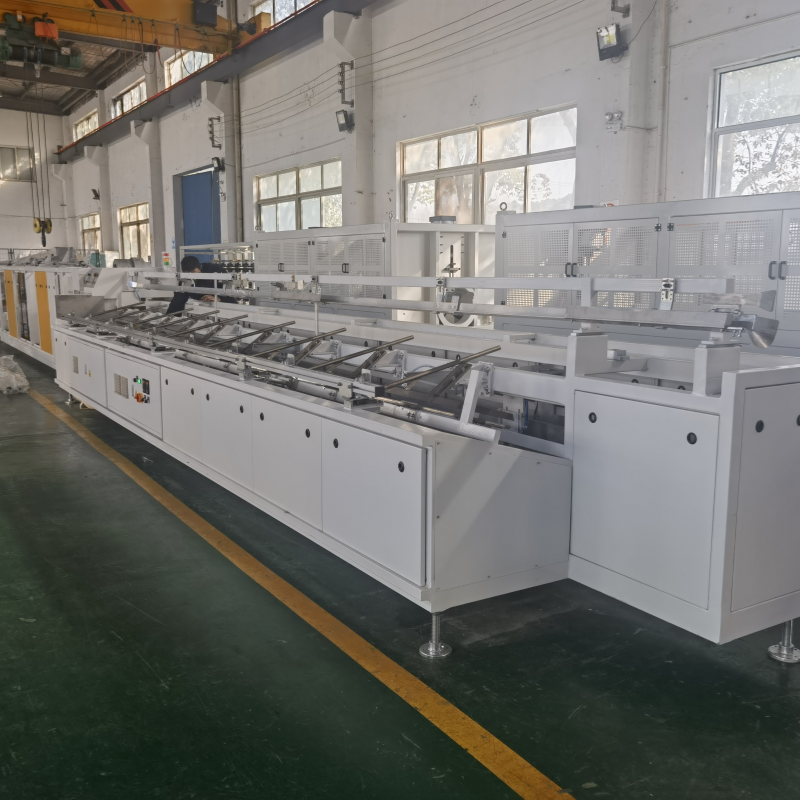
Automatic PPR/PVC Pipe bagging line
View Details →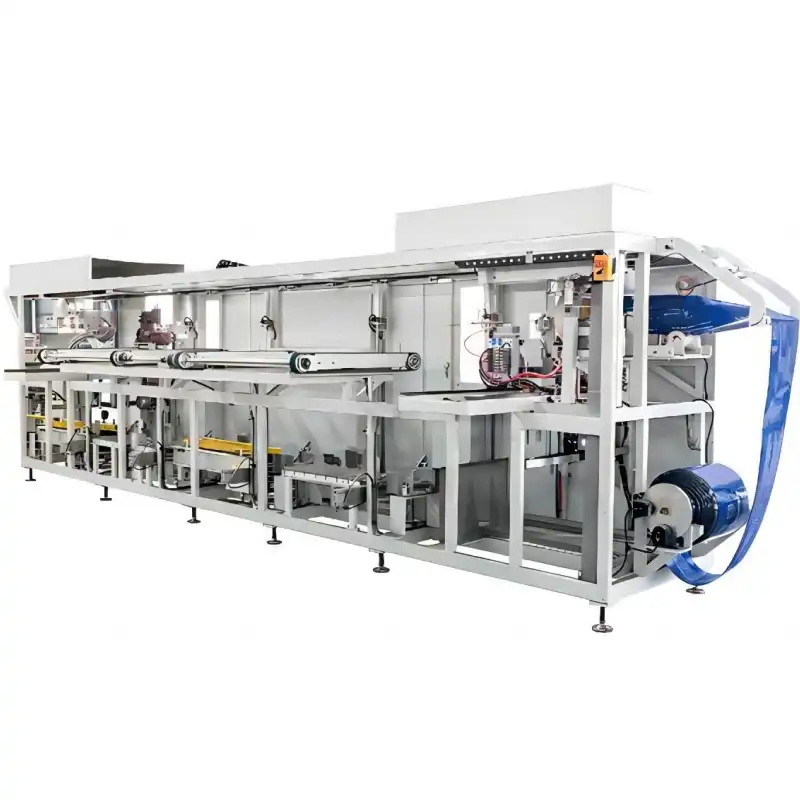
Platsic pipe bag packing machine
View Details →
Tyre Packing Machine FPT-200
View Details →
Tyre Packing Machine FPT-300
View Details →
Tyre Packing Machine FPT-400
View Details →
Cable Coil Packing Machine-FPCA100
View Details →