Home > Landing page > Cable Coiling aand Packing line >
Description:
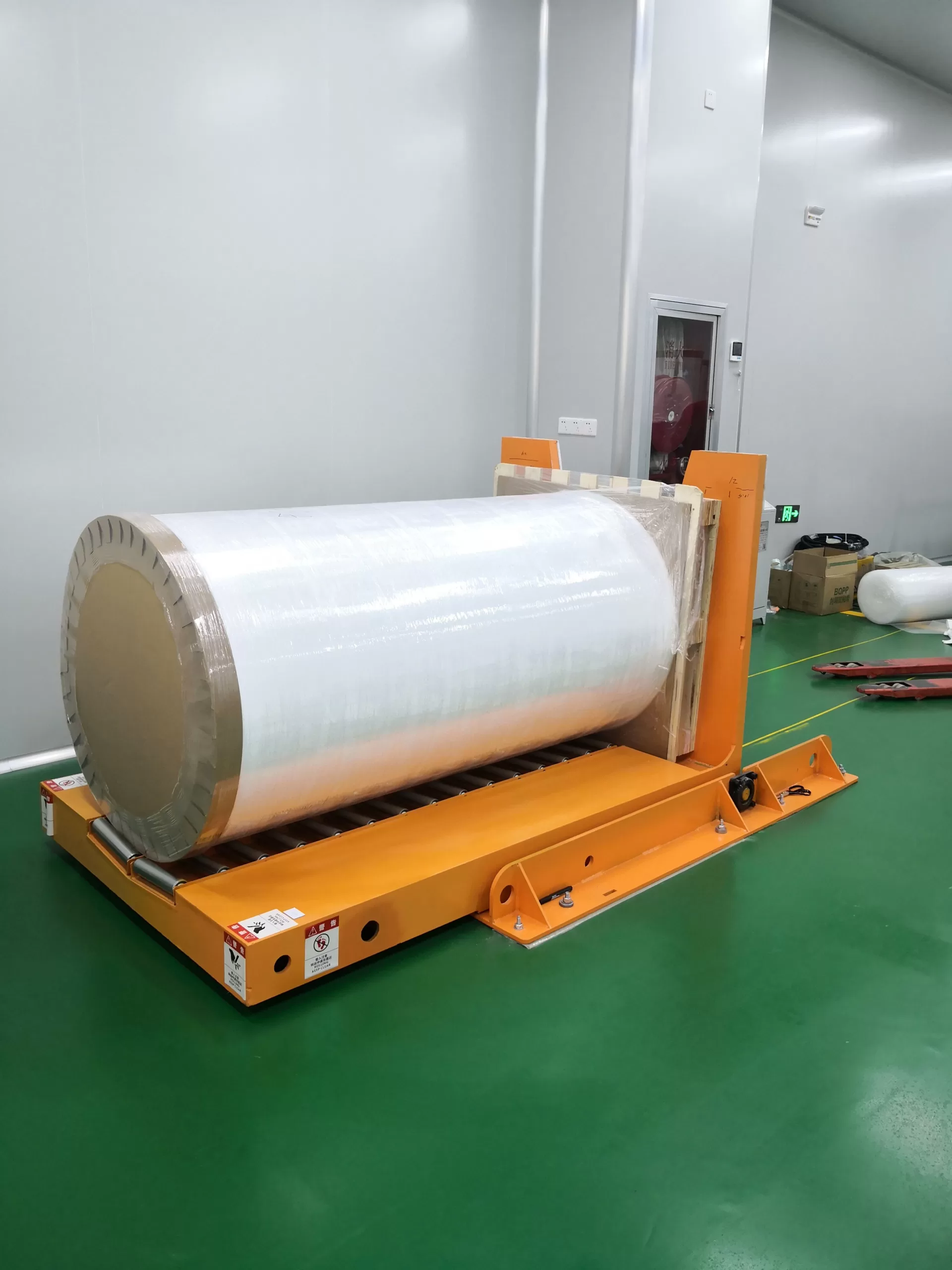
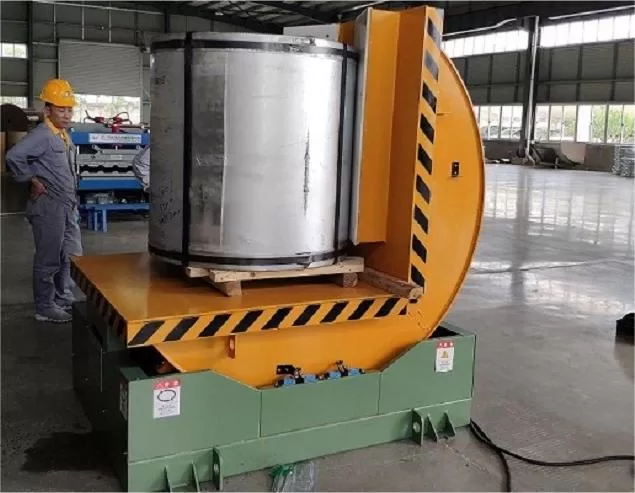
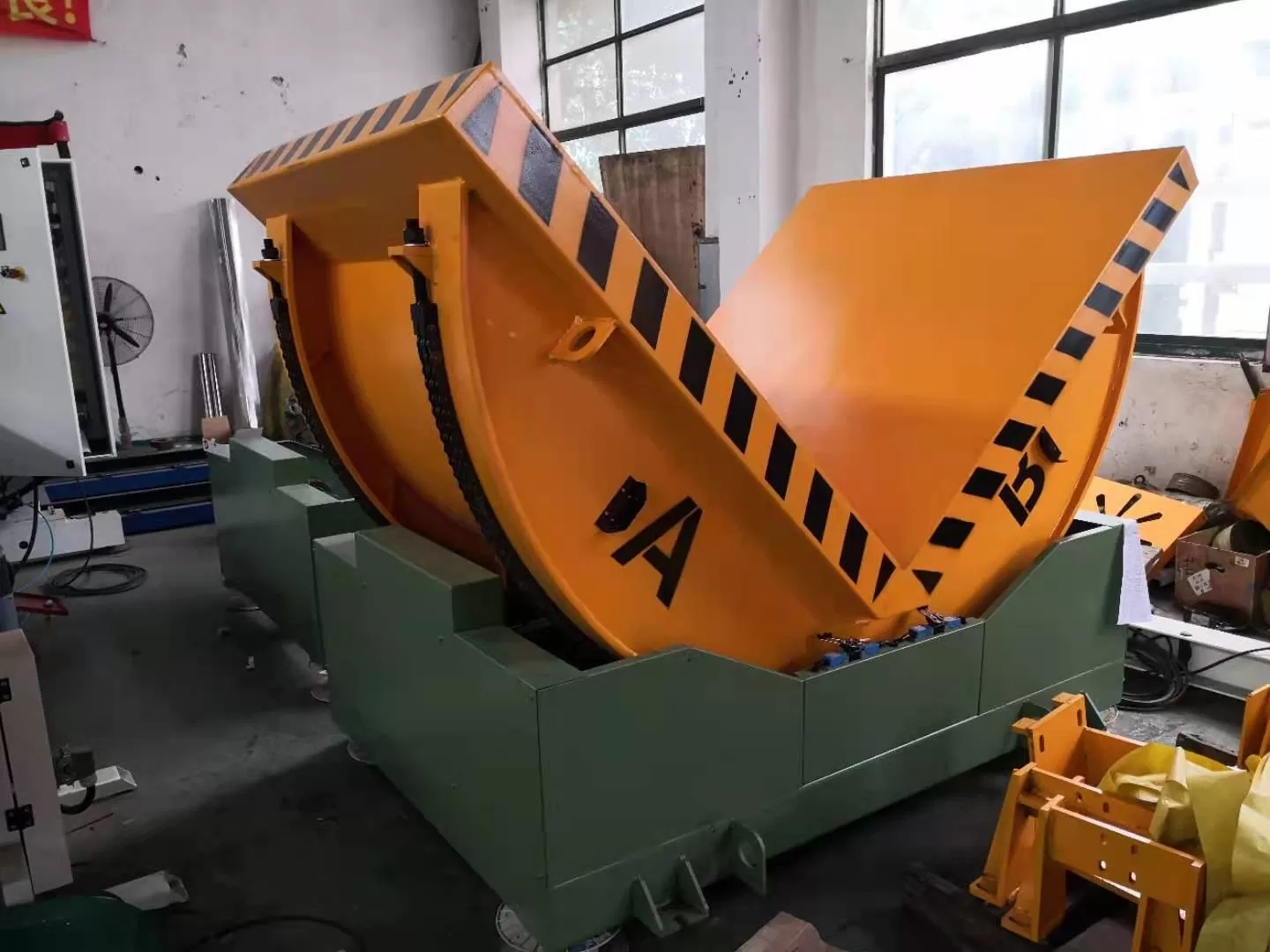
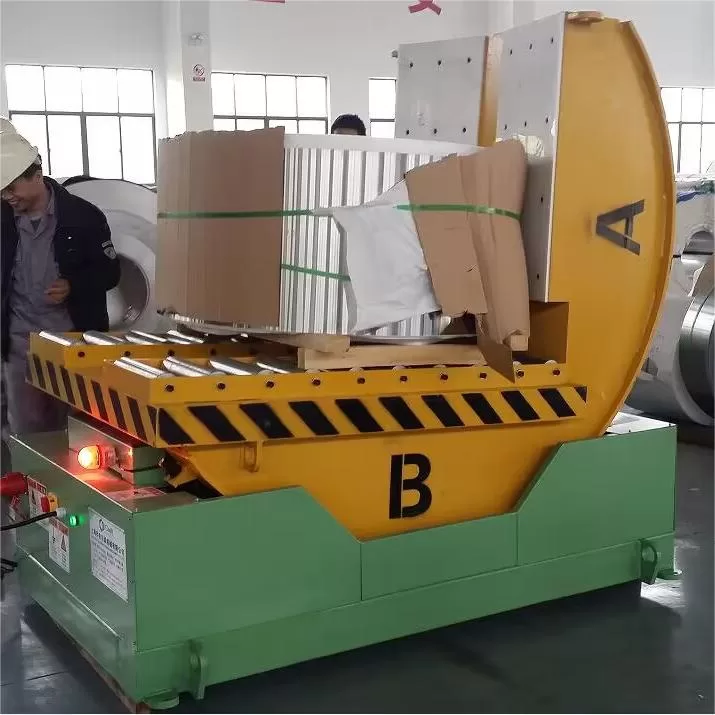
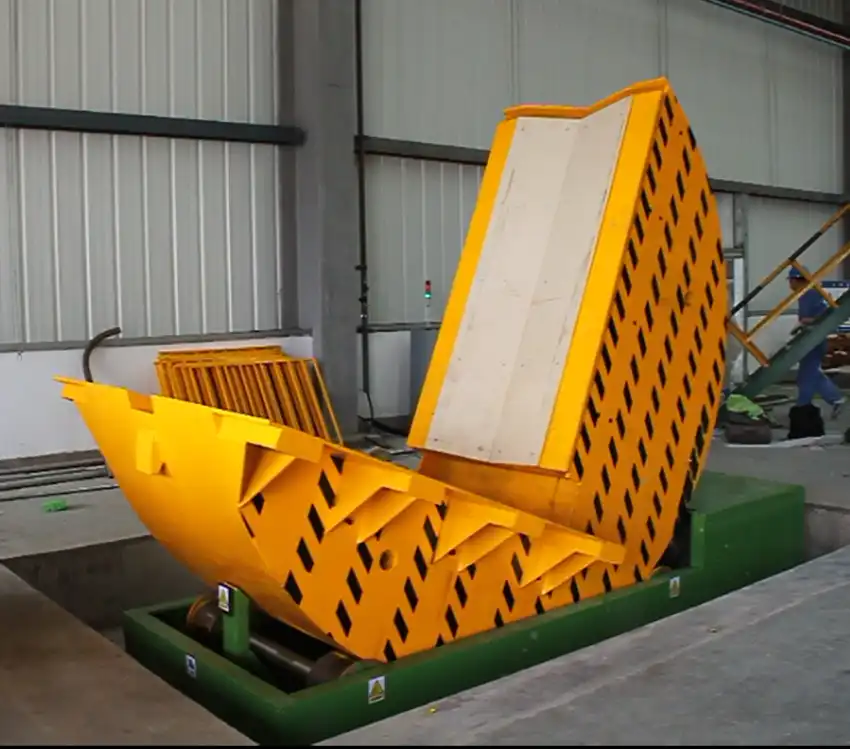
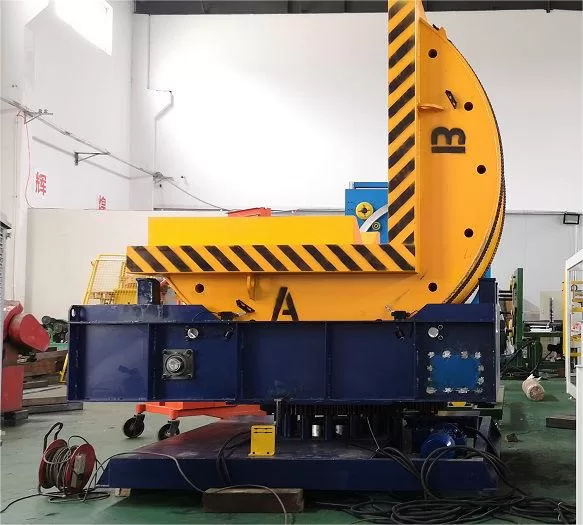
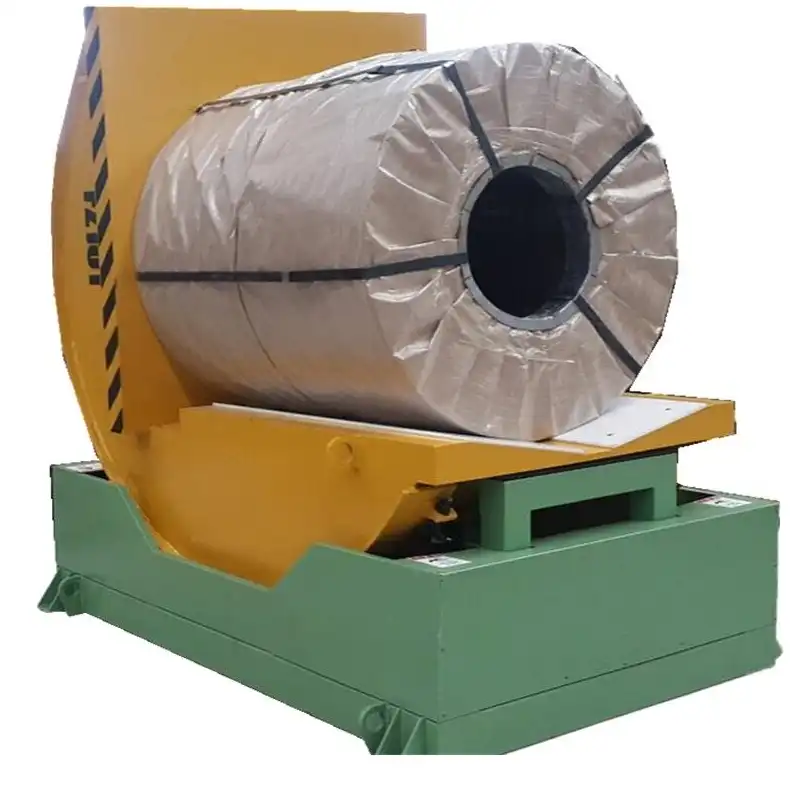
Tippers For Steel Coil, Mold, Roll are essential tools in industrial operations, designed to efficiently manage the movement and positioning of heavy materials such as steel coils, molds, and rolls. These devices offer precision handling, ensuring that materials are safely tipped or rotated to the desired orientation. Built for durability and reliability, they are crafted from high-quality materials to withstand the rigorous demands of industrial environments. By streamlining workflows and minimizing the need for manual labor, these tippers significantly enhance productivity and safety. Ideal for sectors like manufacturing, metalworking, and automotive, they provide a critical solution for heavy material management.
Specifications:
-
Primary Use: Efficient handling and positioning of heavy industrial materials including steel coils, molds, and rolls
-
Tipping Angle: Up to 180 degrees, adjustable to specific operational needs
-
Operation Mode: Manual, semi-automatic, or fully automatic options available
-
Drive System: Hydraulic, pneumatic, or electric drive systems tailored to application and load requirements
-
Control System: Manual controls, remote control options, or fully integrated PLC controls for automated operations
Applicable industry:
- Heavy-duty freight rail tracks are designed from ultra-durable, carbon-enhanced steel to accommodate the significant loads and frequent usage typical of cargo transportation. These tracks maintain the standard 1435mm gauge but feature a more robust outer diameter and increased thickness to endure the extra weight and wear from heavy freight trains. Track width is also modified to ensure stability and safety during high-speed and high-load operations. A key benefit of using these tracks in freight systems is their improved load-bearing capacity, which facilitates the transport of heavier goods without compromising track integrity or safety. This attribute not only enhances the efficiency of freight movements across regions but also reduces the need for frequent track repairs and replacements, fostering more sustainable and cost-effective logistics operations.
- For handling heavy truss sections, the upender’s role is fundamental. These sections, crucial for building large bridge frameworks, can weigh between 20 to 60 tons and extend up to 45 meters in length, with a width of 1 to 4 meters and a thickness of 15 to 40 cm. The upender’s function in rotating these sections from horizontal delivery to vertical installation enhances operational safety by eliminating the need for manual handling and ensures precise placement. This accuracy is crucial for the alignment and interconnection of truss sections, directly affecting the structural integrity and durability of the bridge, thereby streamlining the construction process and reducing costs.
- For effective road construction, the use of an Upender for Steel Mesh Sheets is indispensable when working with large steel mesh sheets that reinforce asphalt layers. These sheets, often extending up to 6 meters in length and 2 meters in width with a thickness of 5 to 12 mm, are maneuvered by the upender which safely shifts them from a flat delivery state to an upright installation position. This functionality not only diminishes the physical effort required in handling these bulky items but also significantly improves the precision and efficacy of laying down the mesh, ensuring optimal alignment and secure placement which are essential for the road surface's durability and robustness.
Main Features:
- Material Construction: Constructed from high-grade steel or other durable alloys for maximum strength and longevity
- Safety Features: Equipped with safety interlocks, emergency stop buttons, and overload protection to ensure operator safety
- Surface Treatment: Powder coating or galvanized finish to resist corrosion and wear in harsh industrial environments
- Installation: Options for stationary or mobile installations with optional caster wheels or fixed mounting
-
Power Requirements: Designed to match local power supply conditions; typically 220V, 380V, or 480V